Modernizing electronics design collaboration
Co-founder Valentina Ratner spoke with EDA Cafe’s Sanjay Gangal on their Bunker Broadcast to discuss AllSpice.io, how it came to be, ways in which the platform is modernizing electronics design collaboration, and plans for the future.
Conversation highlights
What is AllSpice for hardware development?
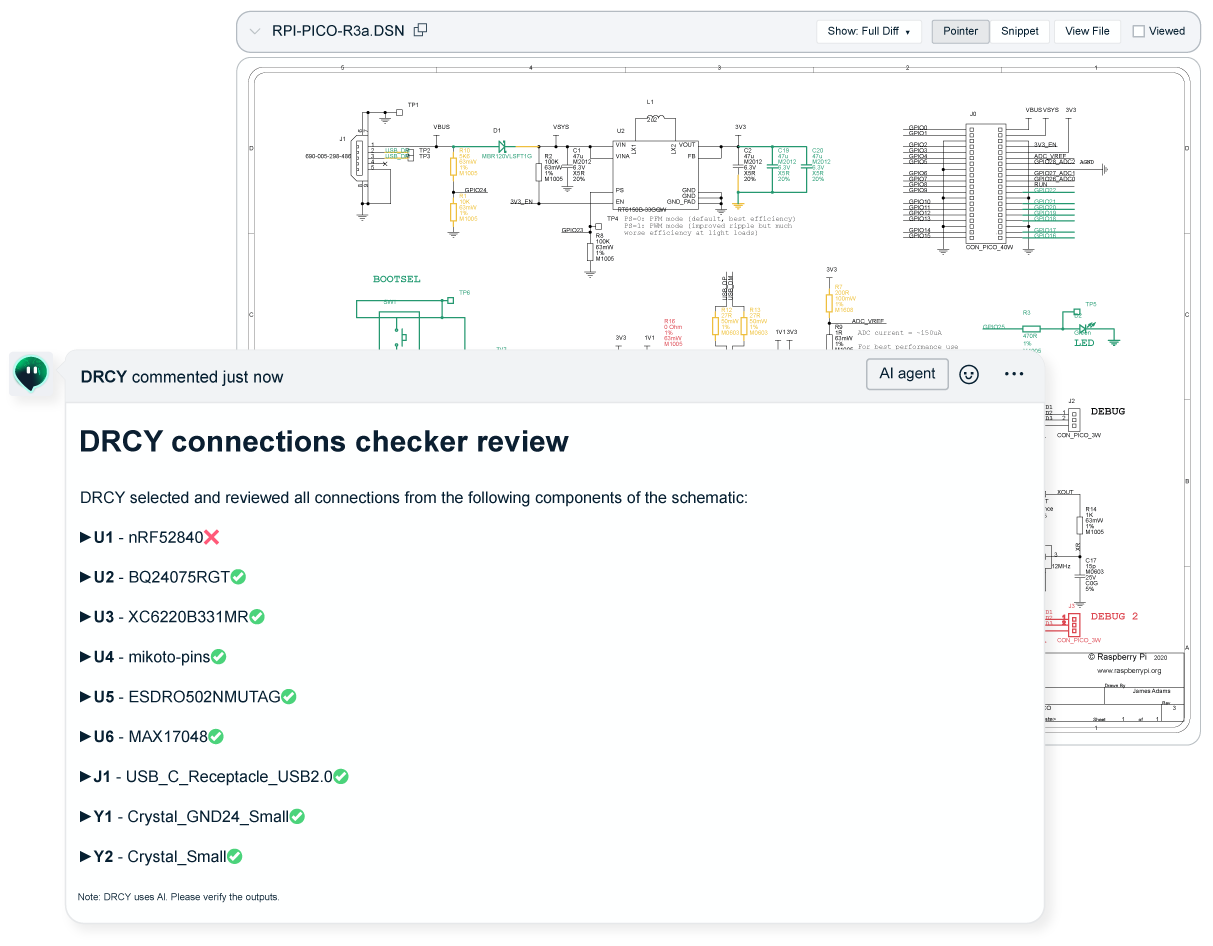
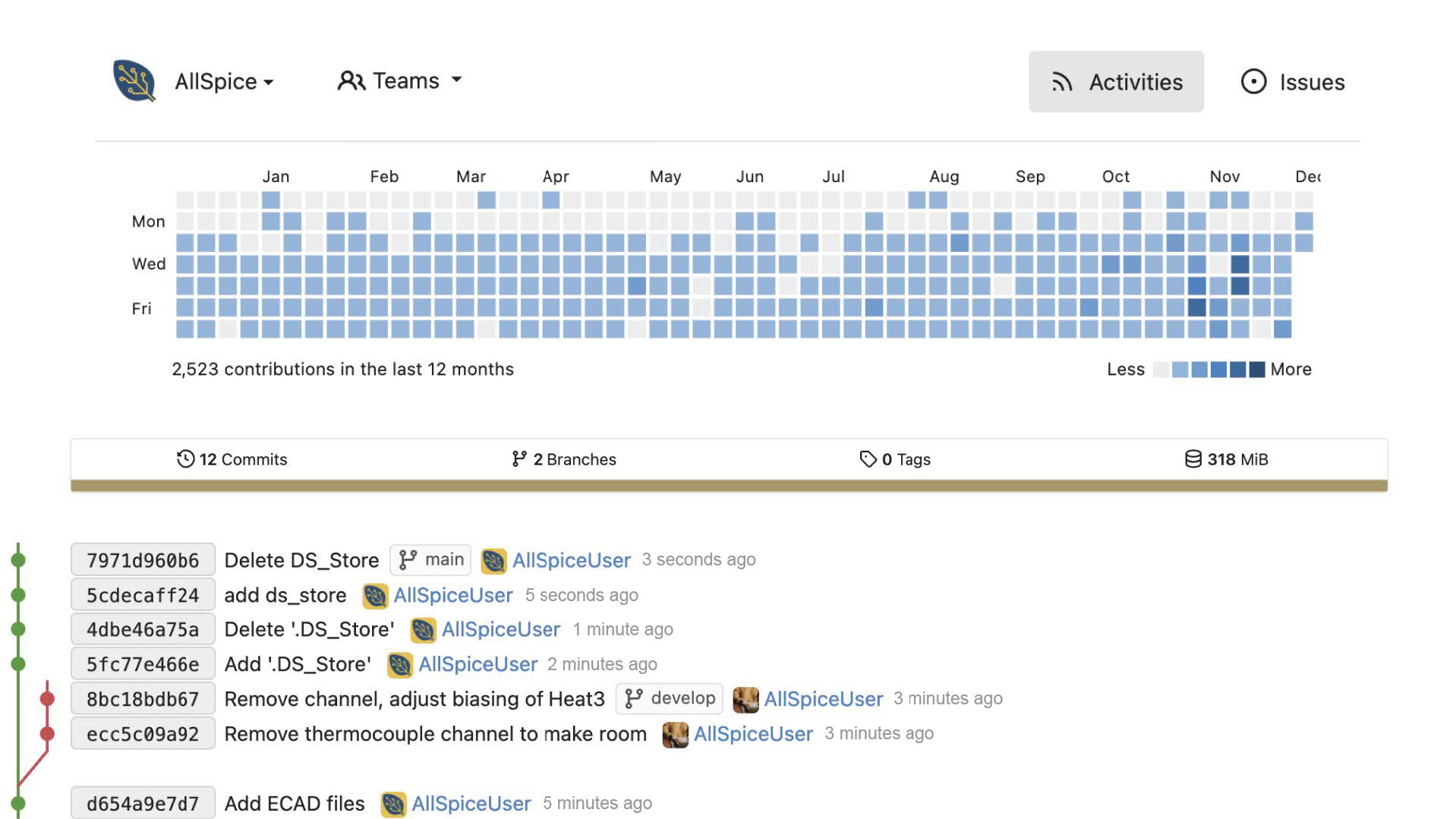
AllSpice is a hardware development platform that uses AI, revision control, collaboration, automation, and more to modernize electrical and hardware engineers’ collaboration and workflows based on principles from the software industry.
Why was the name AllSpice chosen?
Although the name, in a way, roots from an inside joke surrounding food, SPICE (simulation program with integrated circuit emphasis) is also an acronym that is rich in history and widely used in the electronics space. And when Allspice was first created, its focus was more so on the simulation side. A shift to collaboration emphasized the desired inclusivity, creating a hardware development platform that is beneficial for all.
Are you able to view PCB, ECAD, and schematic files using Git?
AllSpice is compatible with both text-based and graphical designs, as it uses git protocol in the product. Principles that apply to code workflows are presented and translated into formats that engineers typically use, like printed circuit boards, component, and schematic files, various visual components such as visual diffs, collaboration, and formats, along with footprints, symbols, and more.
Tell us about your hardware resource guide for engineers
The software industry has an effective Git workflow that allows them to successfully collaborate with different teams and build integrated products. The principles they use are also beneficial for the hardware industry by improving workflows and increasing efficiency. The Git for Hardware Guide teaches engineers how to take advantage of and maneuver those principles to suitably modernize their workflows.
It is a free resource and covers a wide range of topics like:
- Git for hardware
- Commits
- Design reviews (PRs)
- Assemblies
- Revision control
- Pushing & branching
- Generated files
- Issues & milestones
Ultimately, it breaks down how electrical engineers, hardware engineers, and PCB designers use Git revision control for their electronics design process.
AllSpice has recently achieved a significant milestone in funding and enterprise support. What can enterprise electrical engineering teams expect next?
This funding round allowed AllSpice to increase support for its growing enterprise segment, such as additional ECAD formats. The other area that will be invested in is the release of continuous integration (CI) for hardware development to provide an even better experience for users.